
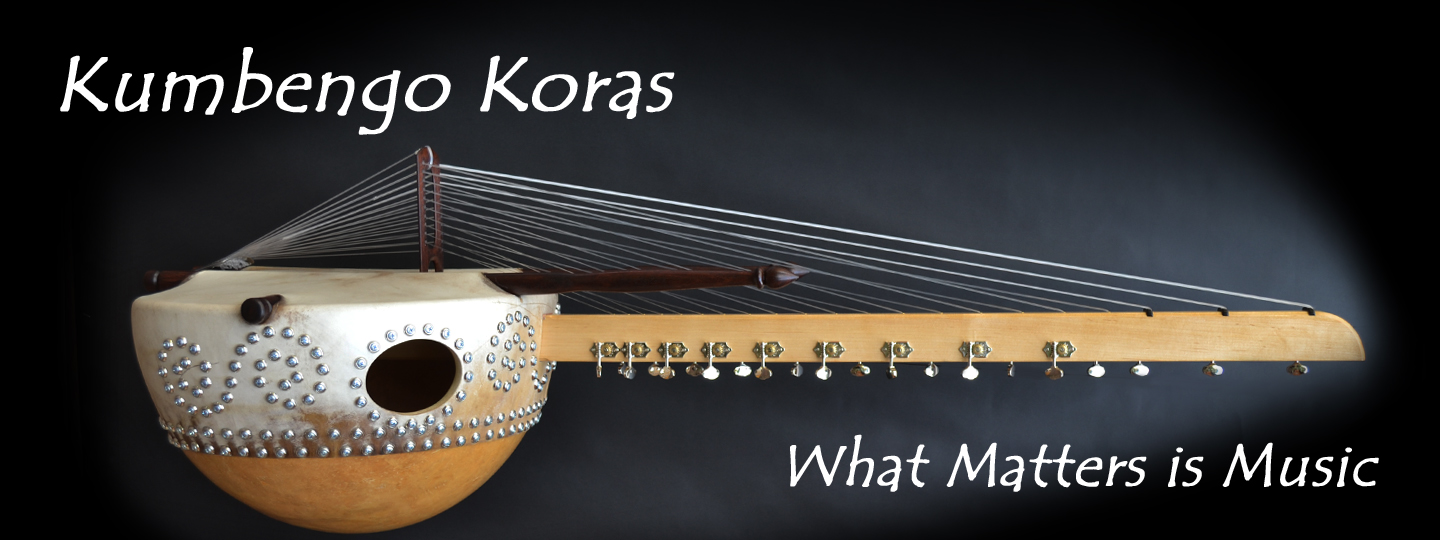
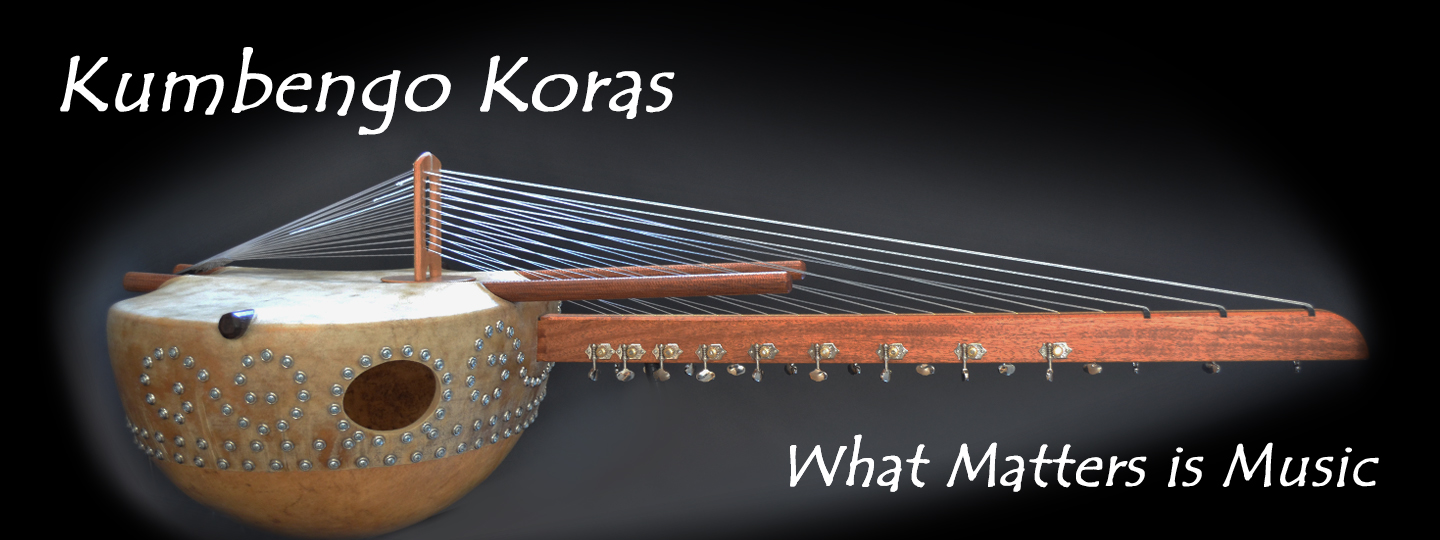
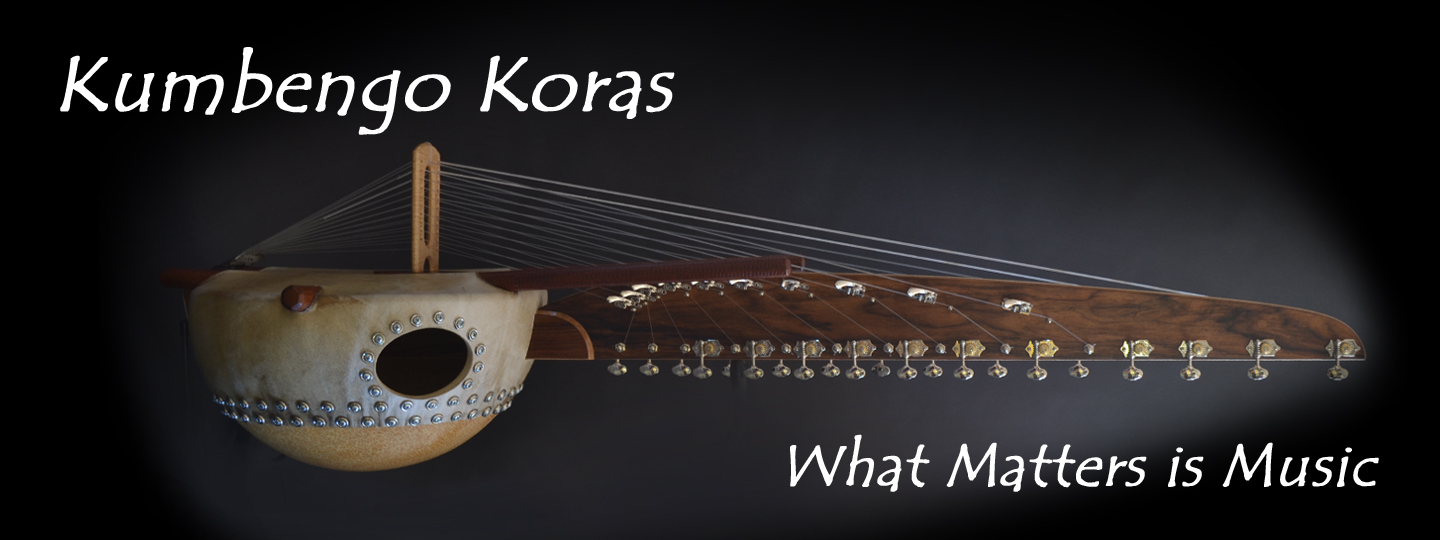
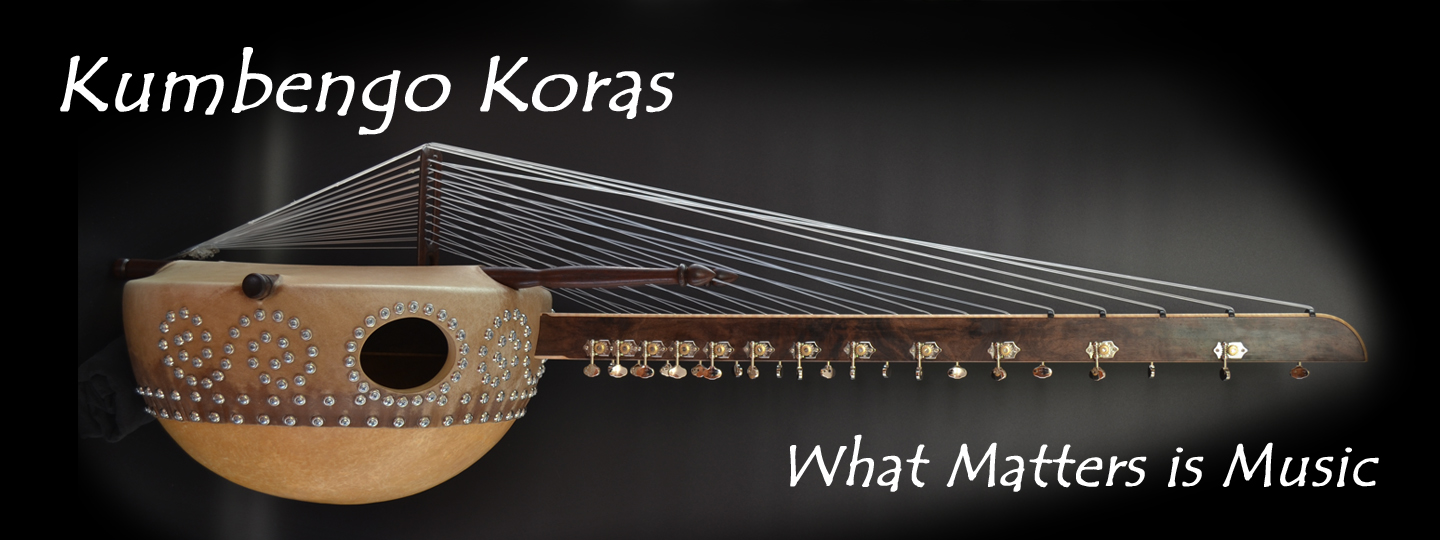
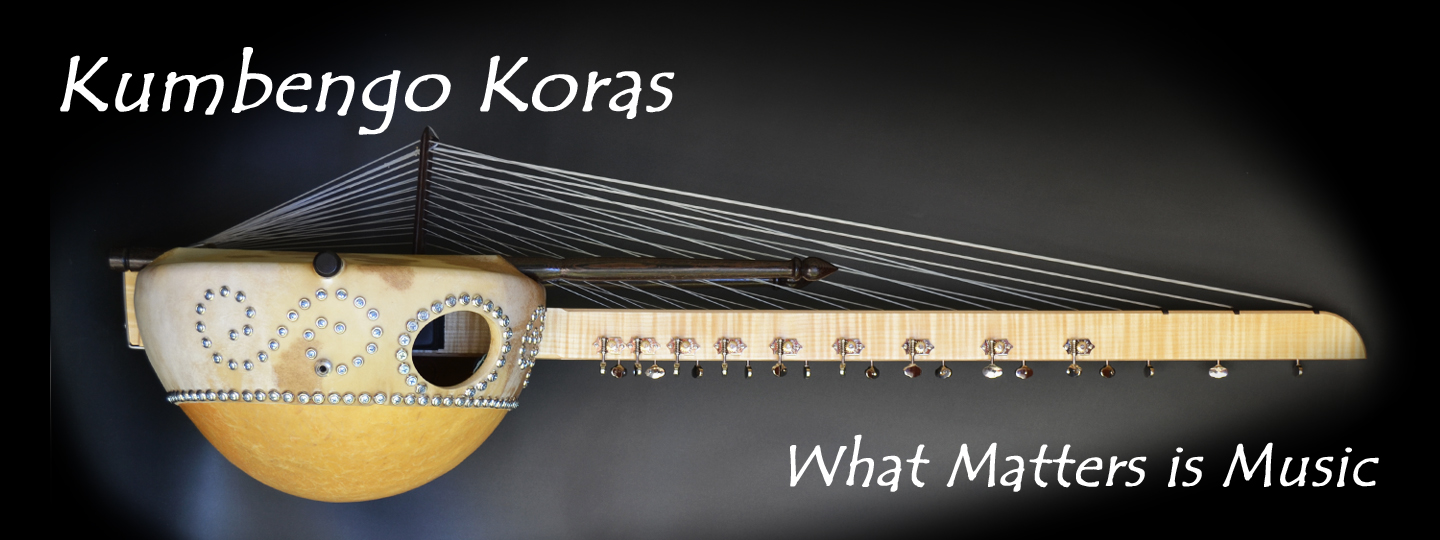
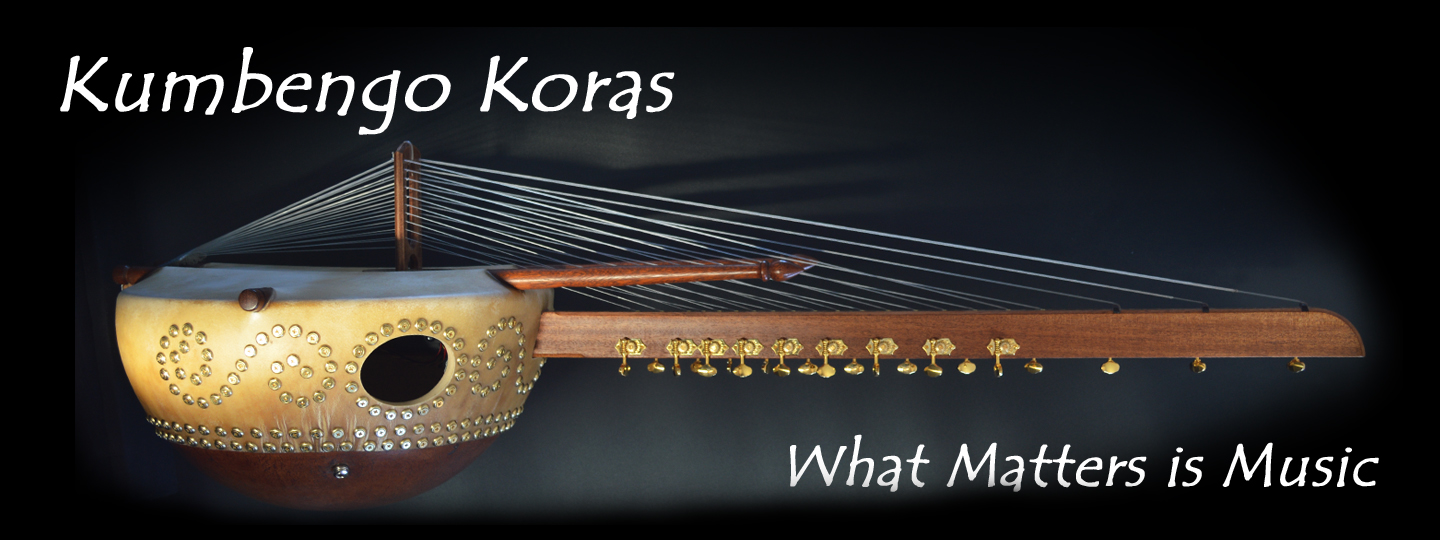
Kunoo Kora
by Maher Cissokho/Momi Maiga
Between the Shadow and the Soul
by Will Dudley
Bouba’s Tune
by Boubakar Diebate
The choice of professional Kora Players
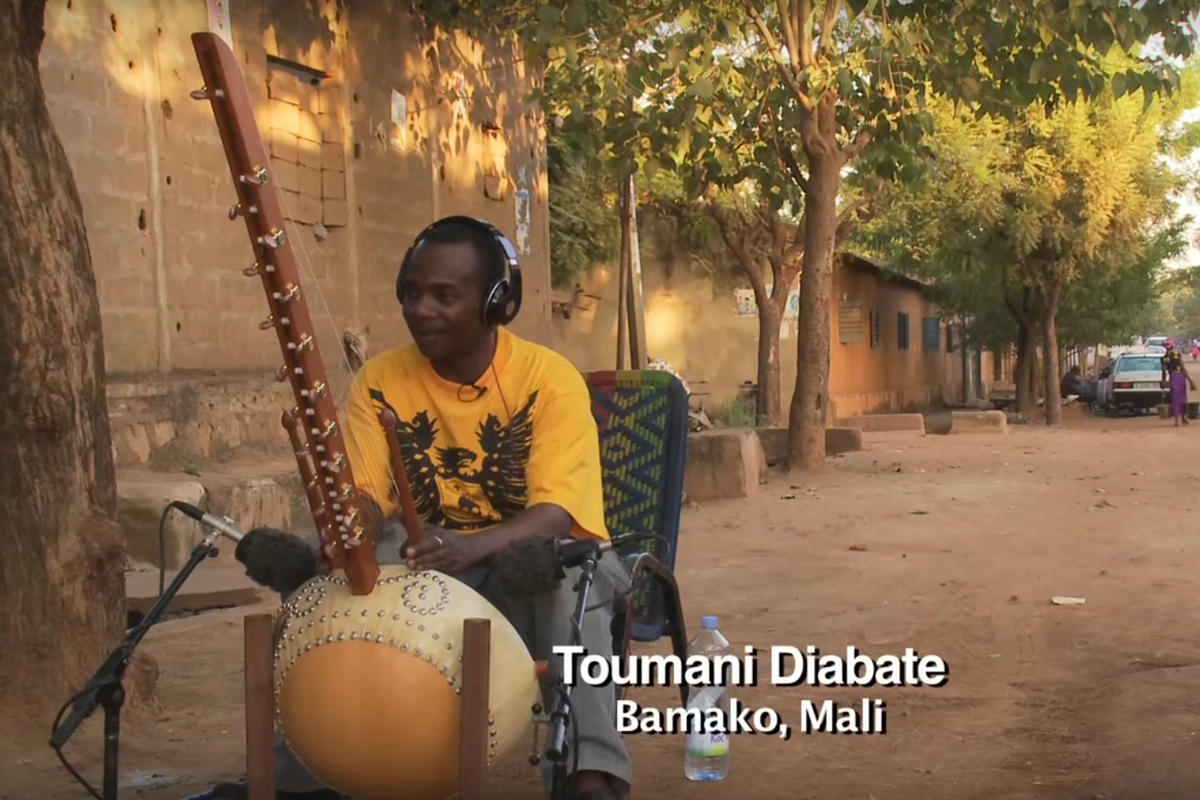
Toumani Diabate, Mali
Justin Perkins - Toubab Krewe, USA

Karamo Cissokho, Senegal/Japan
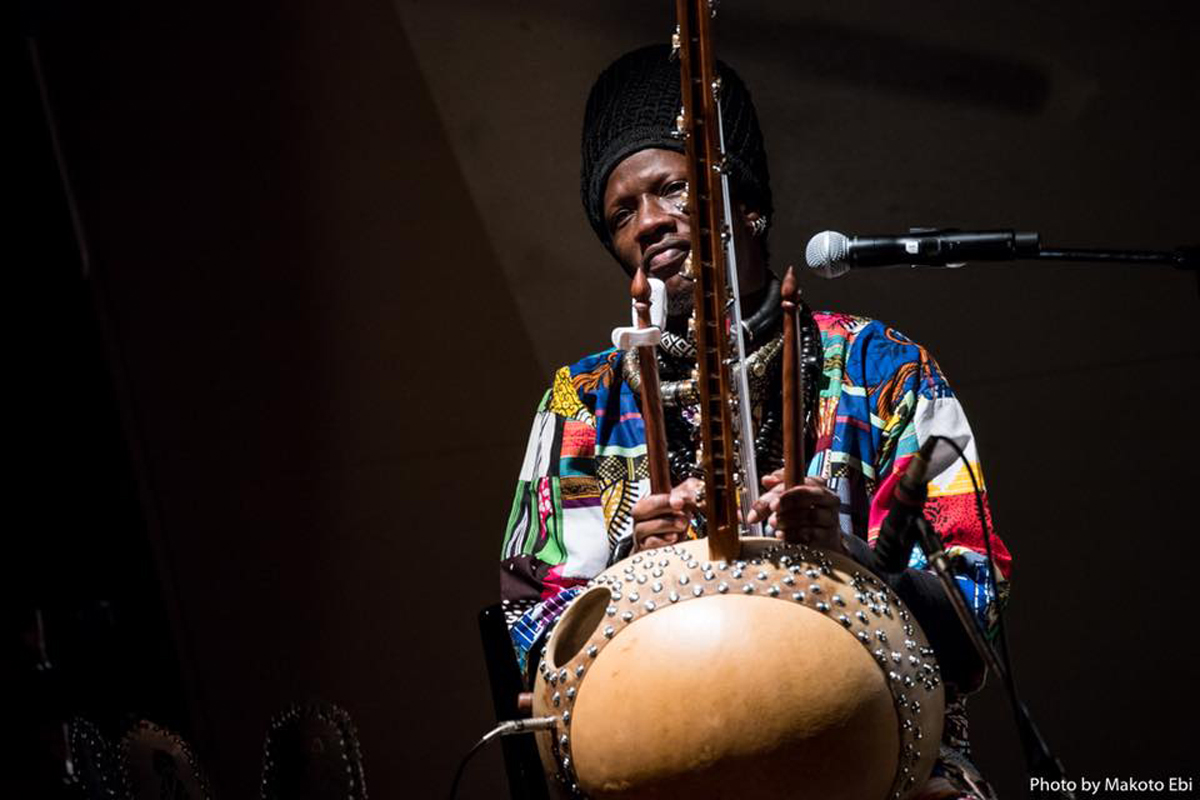
Daniel Berkman, USA
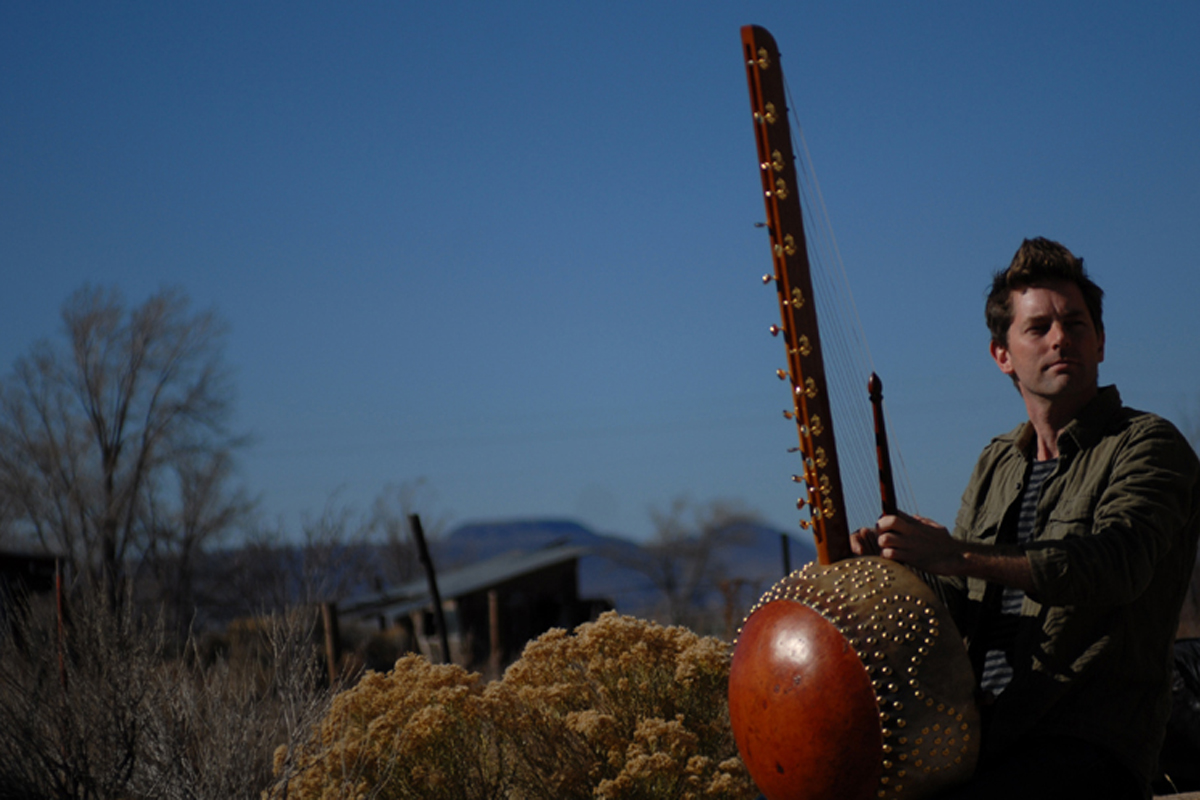
Maher Cissoko, Senegal/Sweden
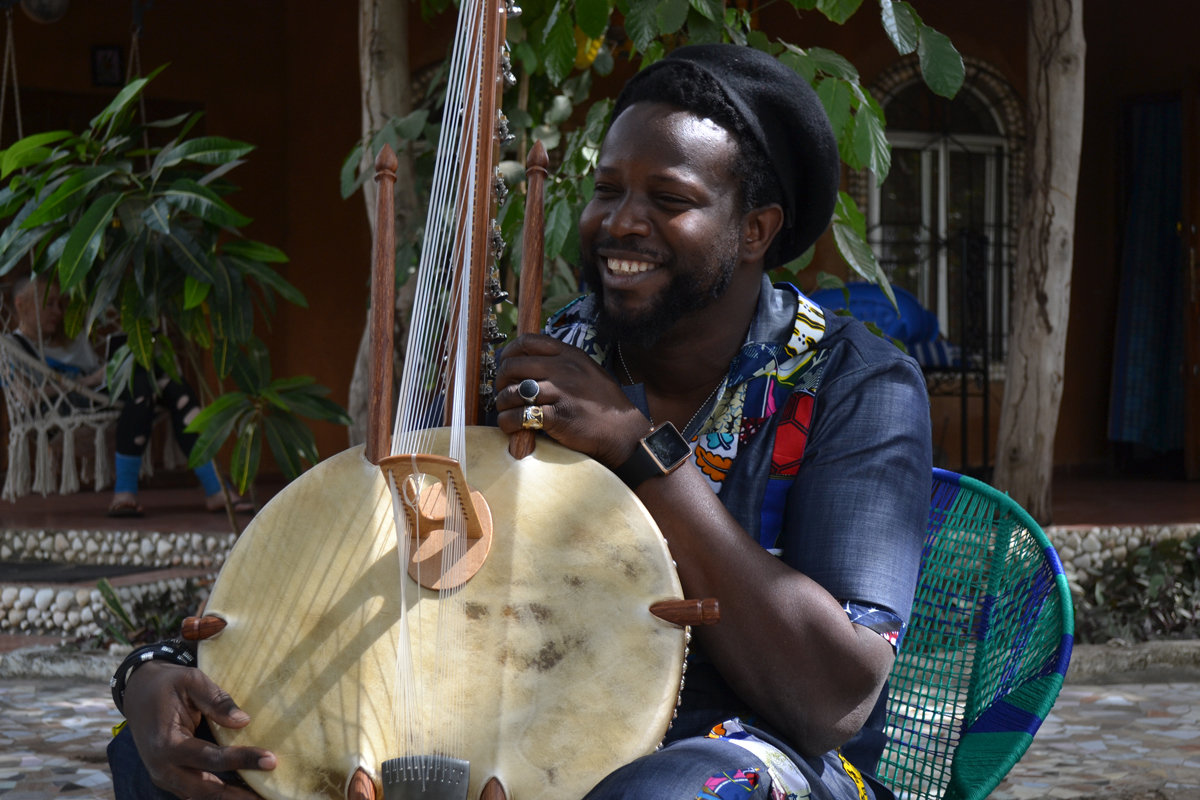
Will Dudley, USA
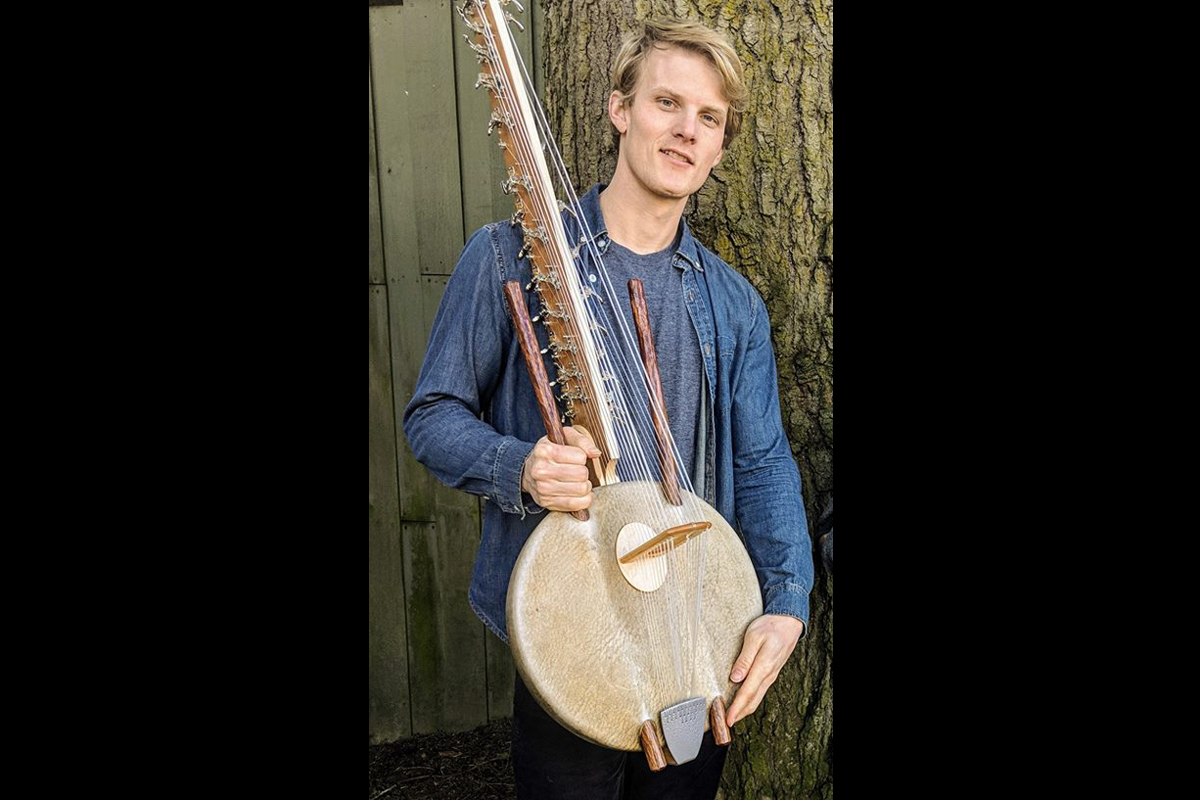
Zena Carlota Pearl, USA
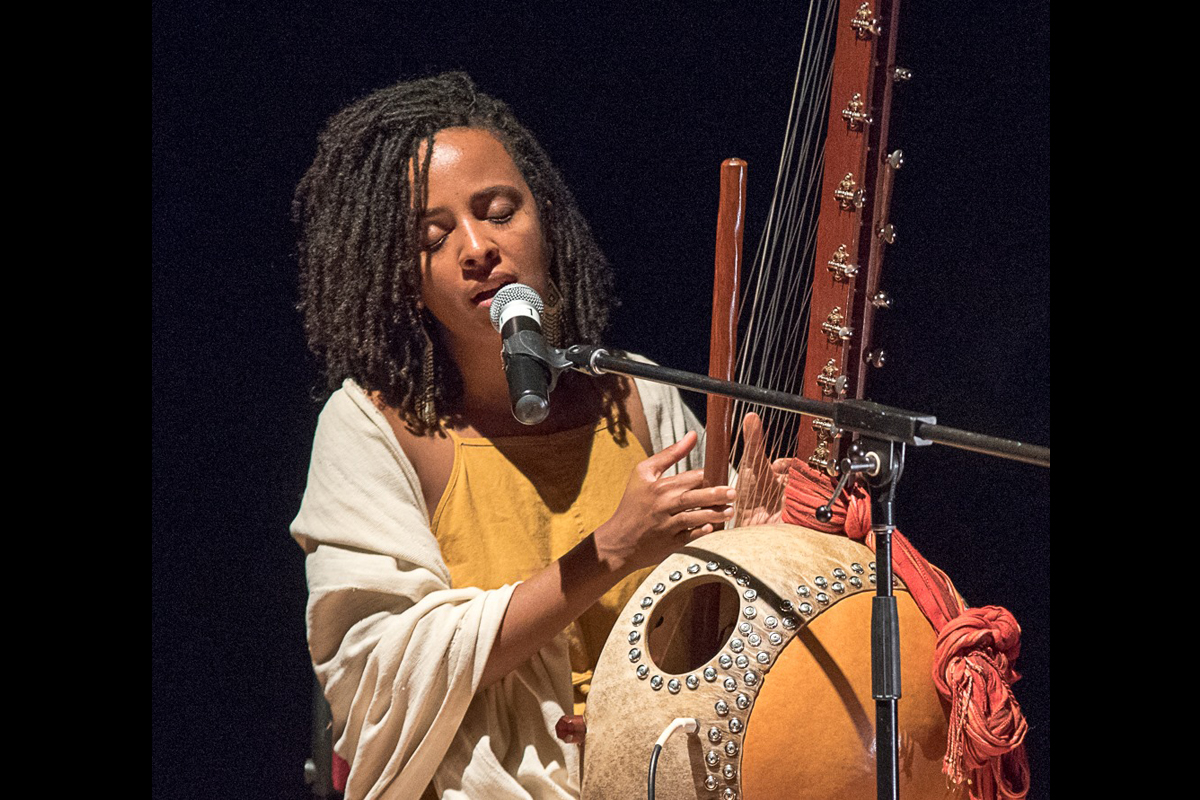
Sousou Cissoko, Sweden/Senegal
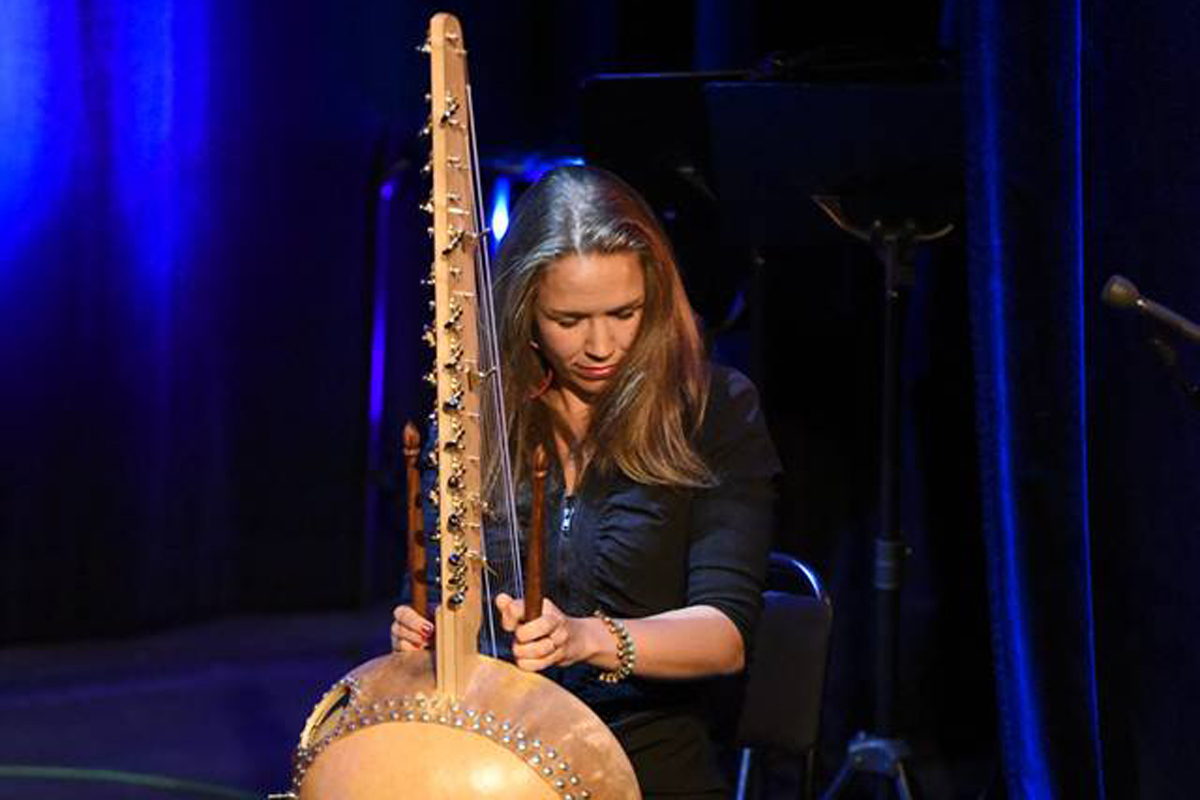
Momi Maiga, Senegal/Spain
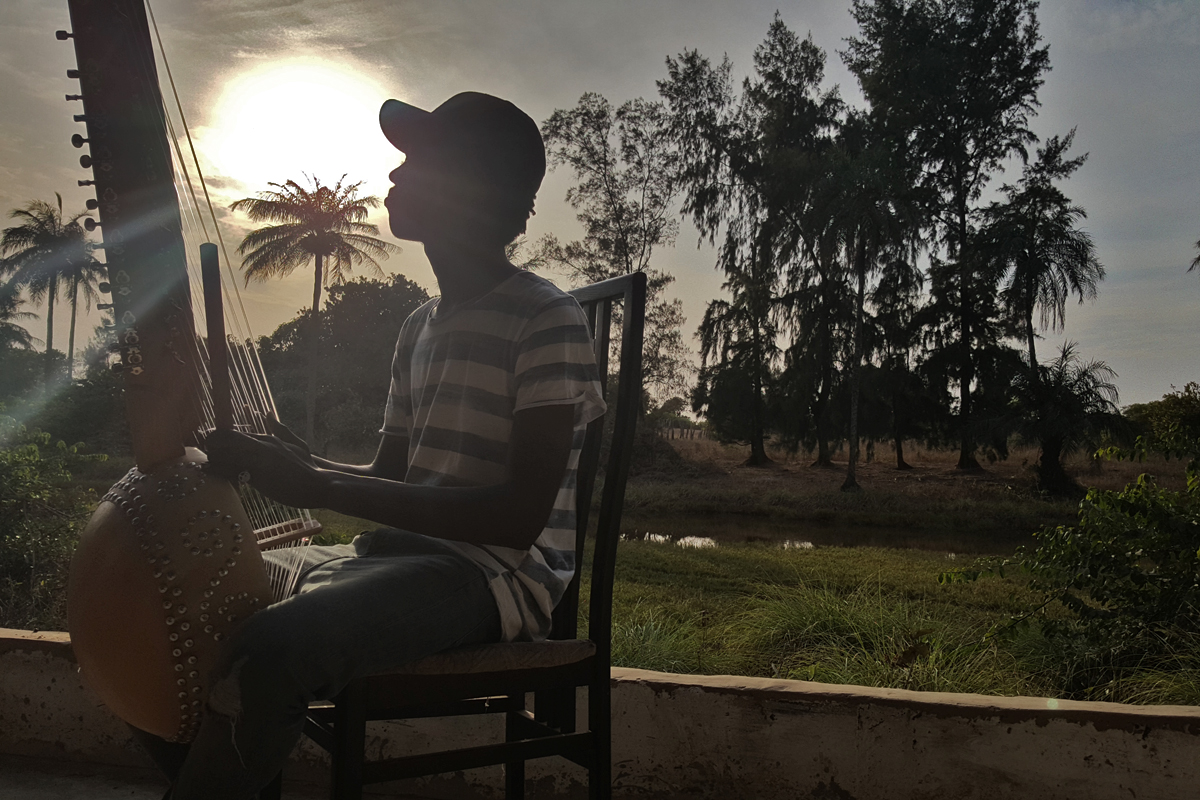
Marshal Allen - Sun Ra Arkestra, USA/Saturn
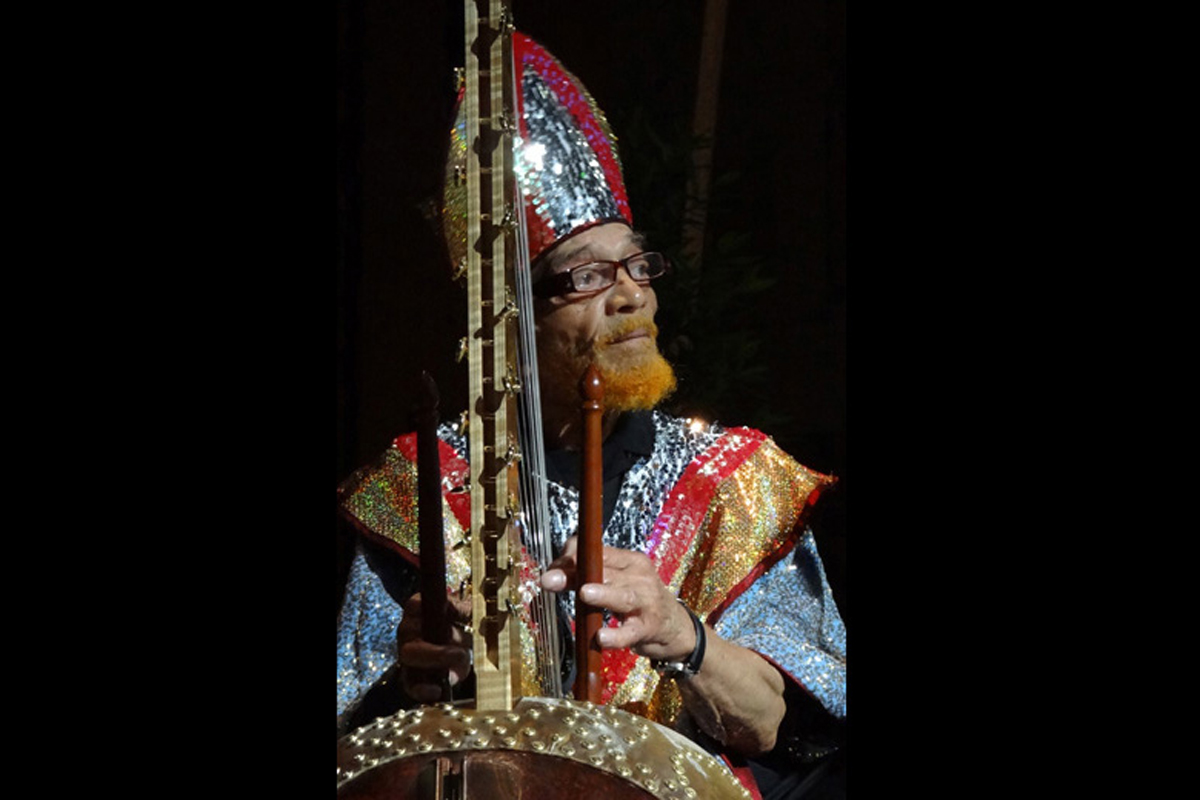
Ouz Fall, Senegal

Markus and Cora Johnson, USA
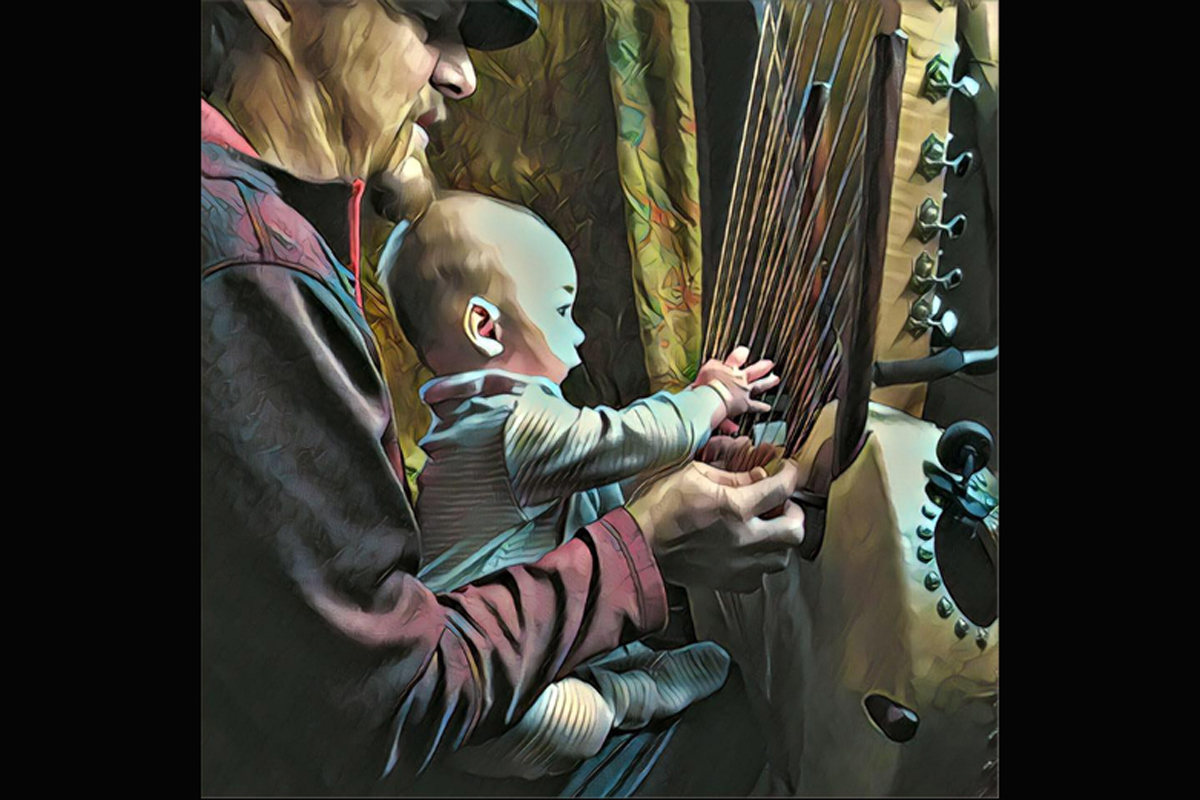
Madou Sidiki Diabate (here w. Baaba Maal), Mali
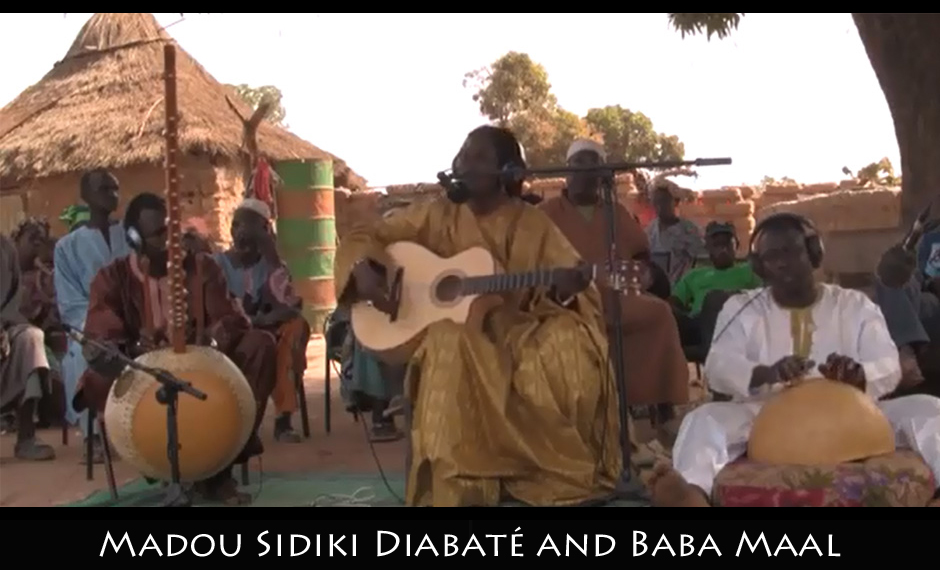
Lucas Trigueiro de Carvalho, Brazil

Keenan Webster, USA

Jonah Tobias Groppar, USA
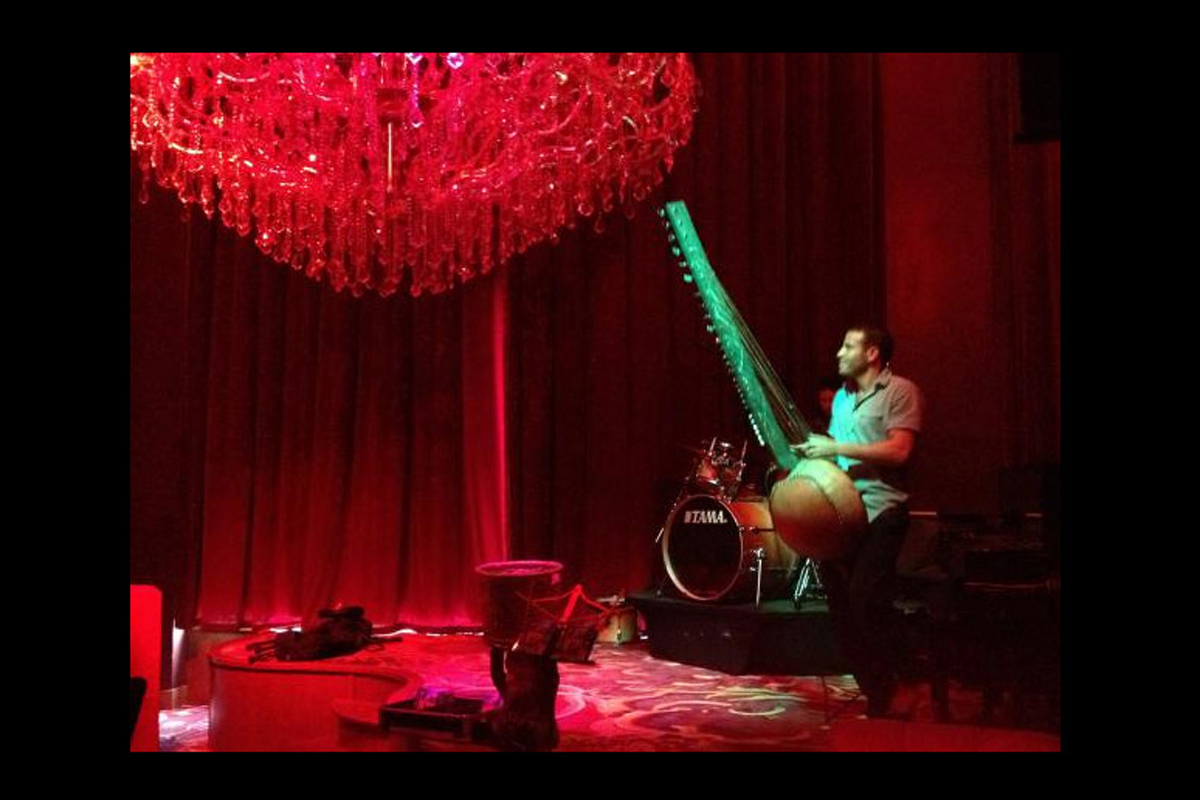
Hiroyuki Yamada, Japan
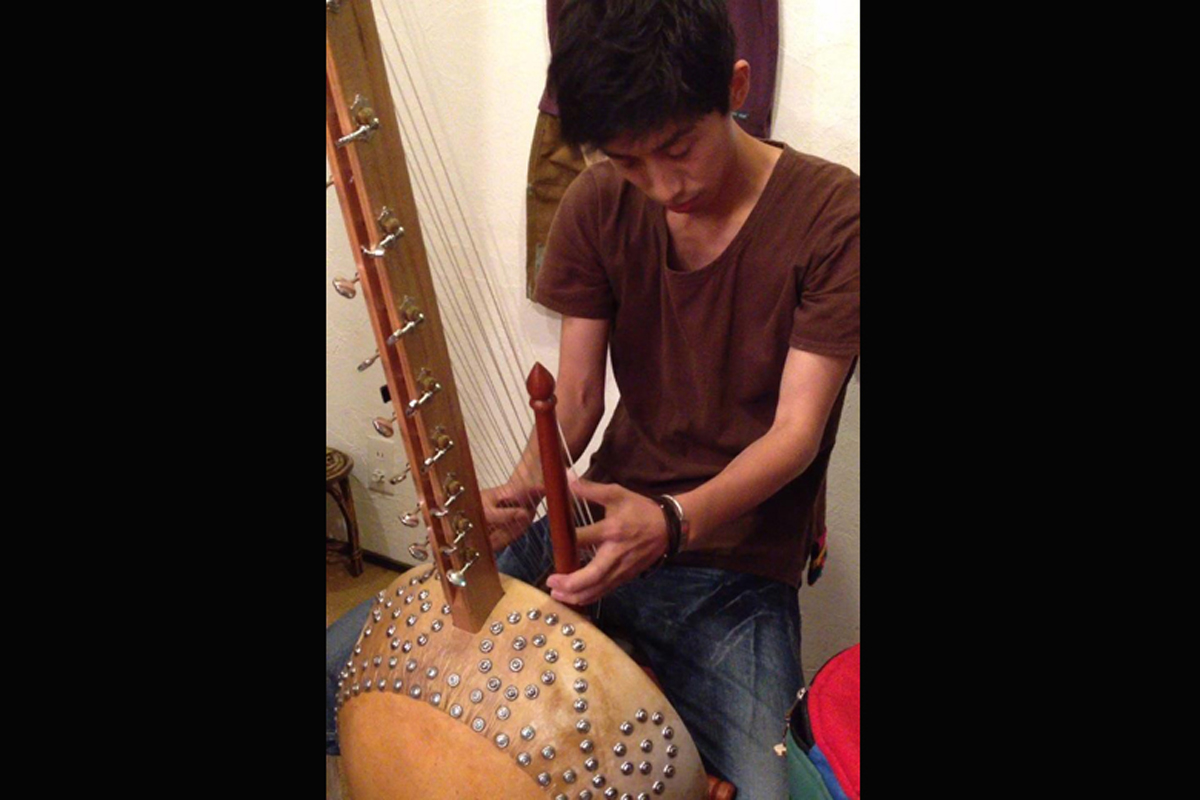
Gorka Huarte Yoldi, Spain
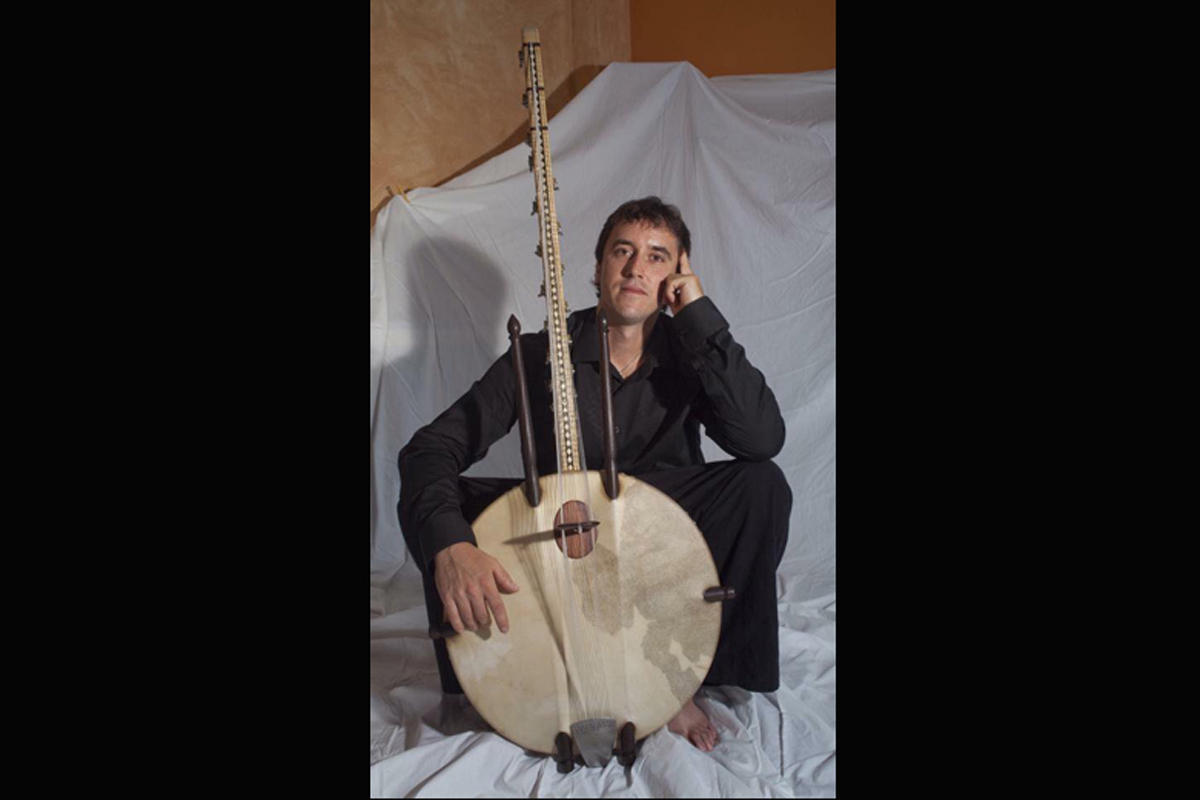
Boubakar Diebate, Senegal
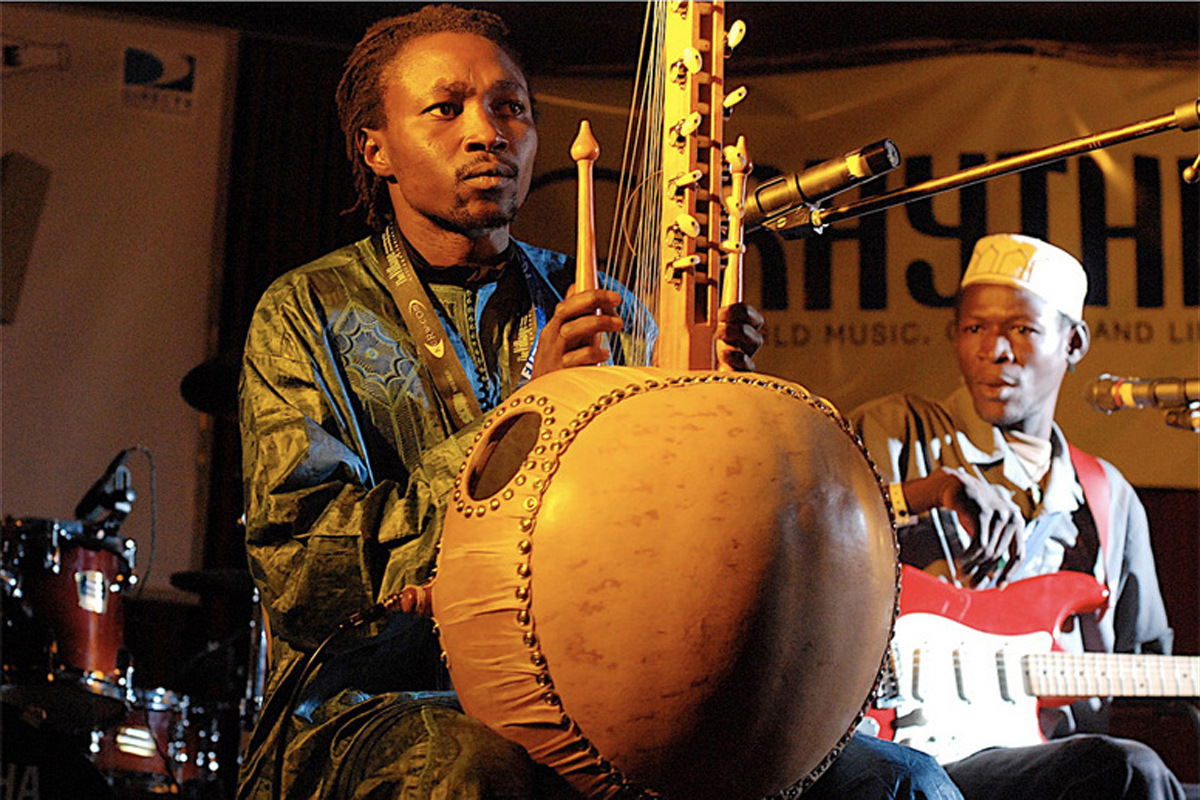
Amadou Fall, Senegal/USA
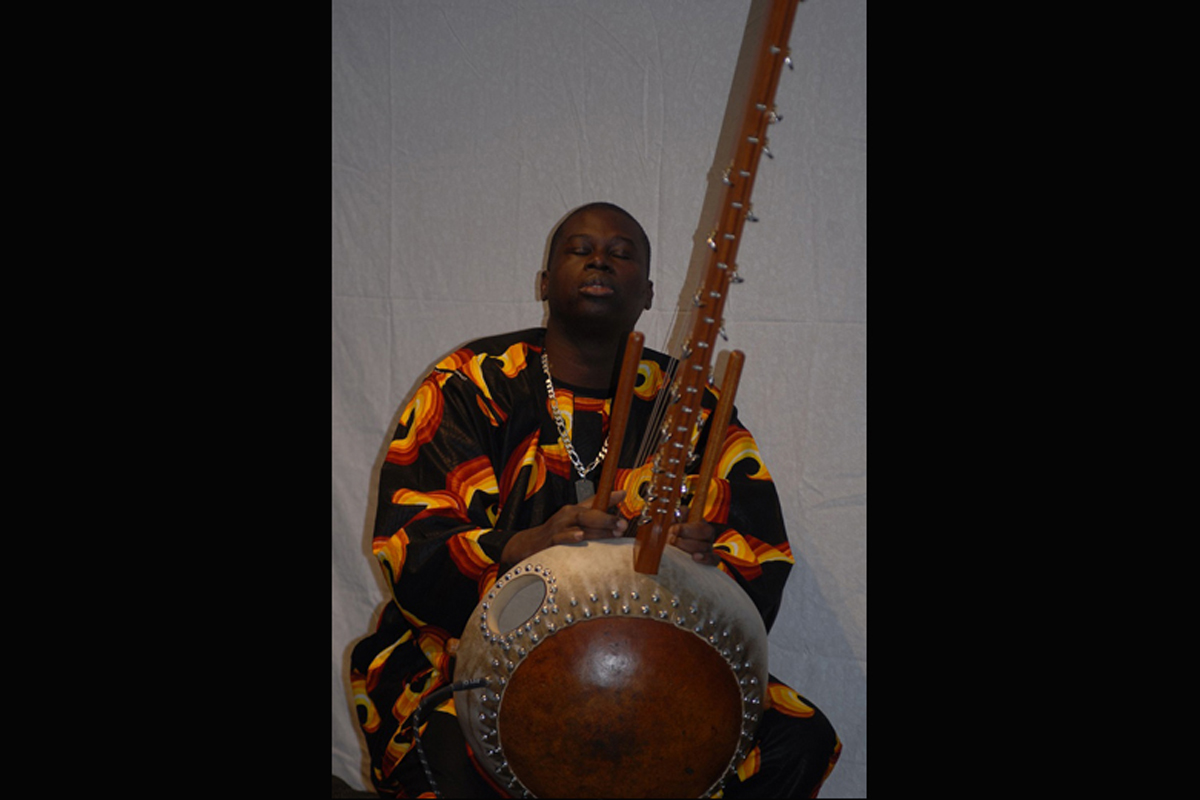
Joshua Caraco, USA
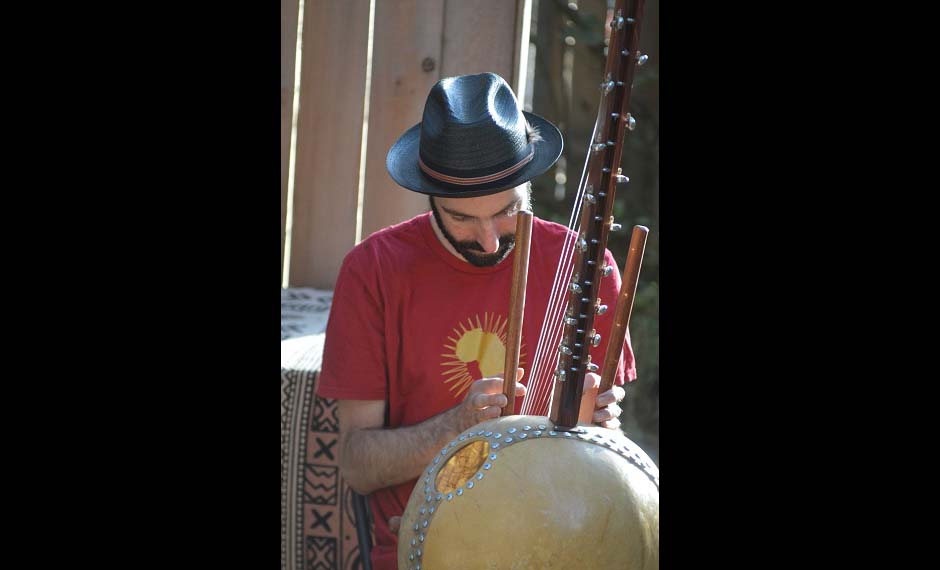
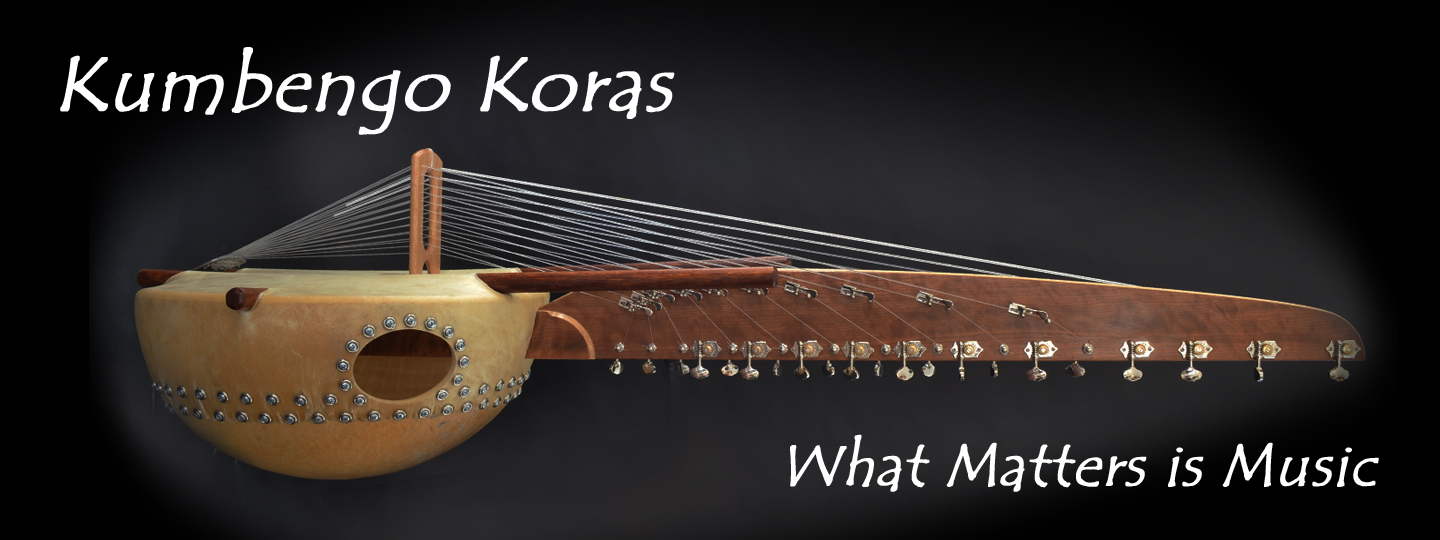
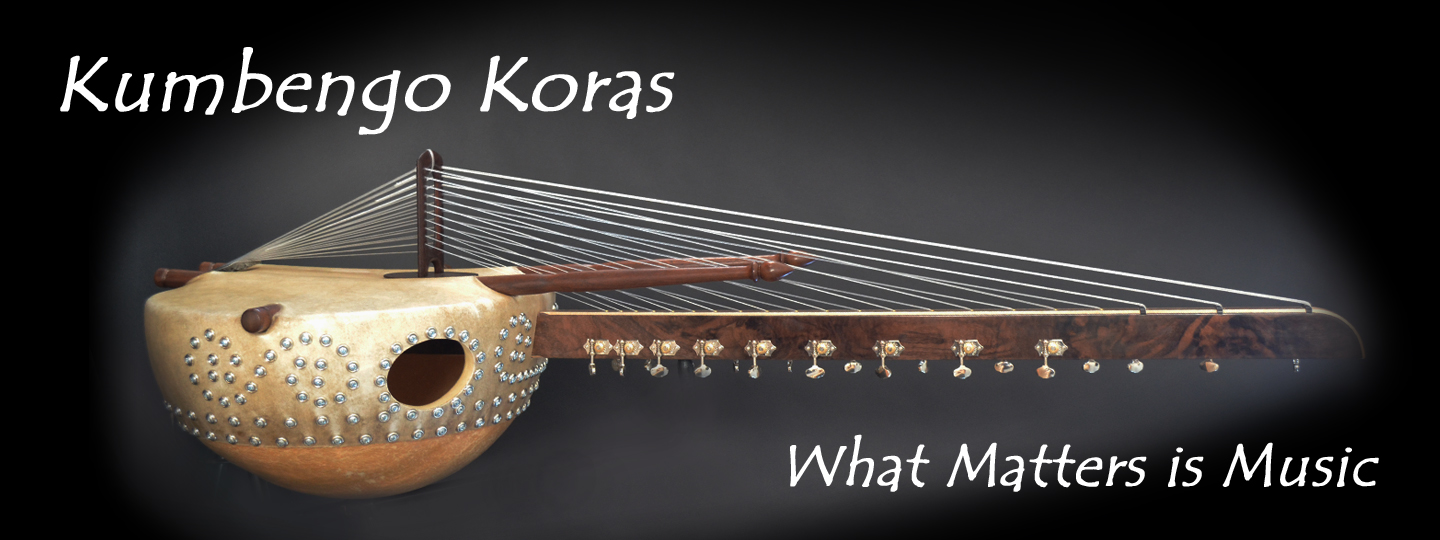
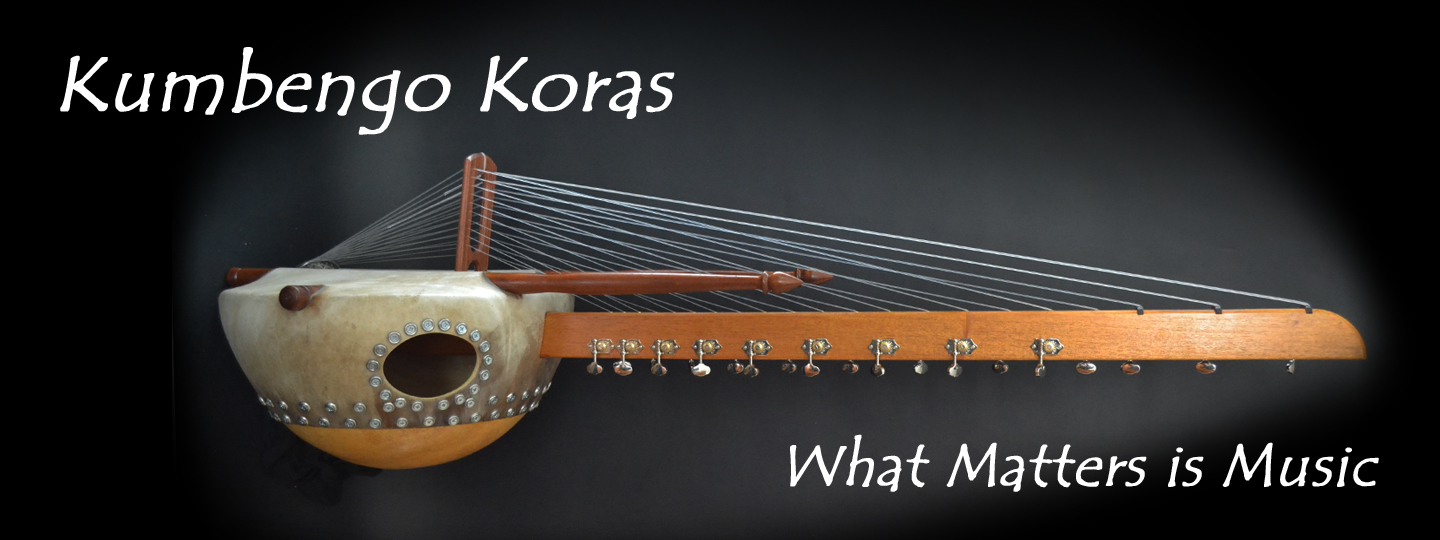
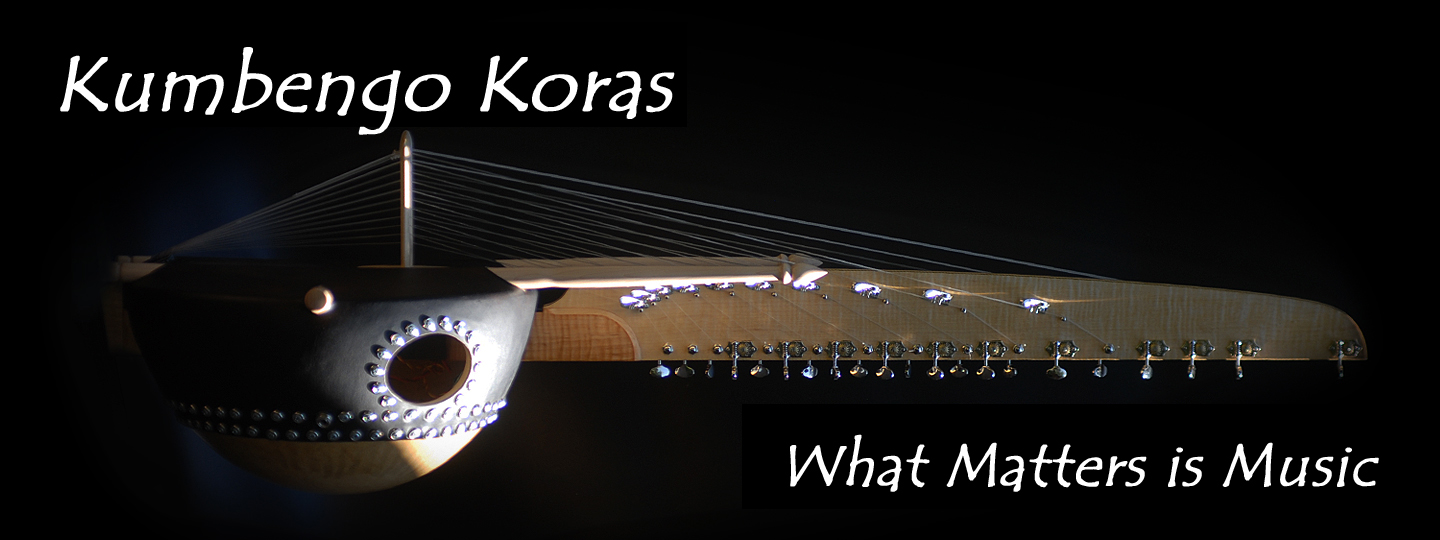
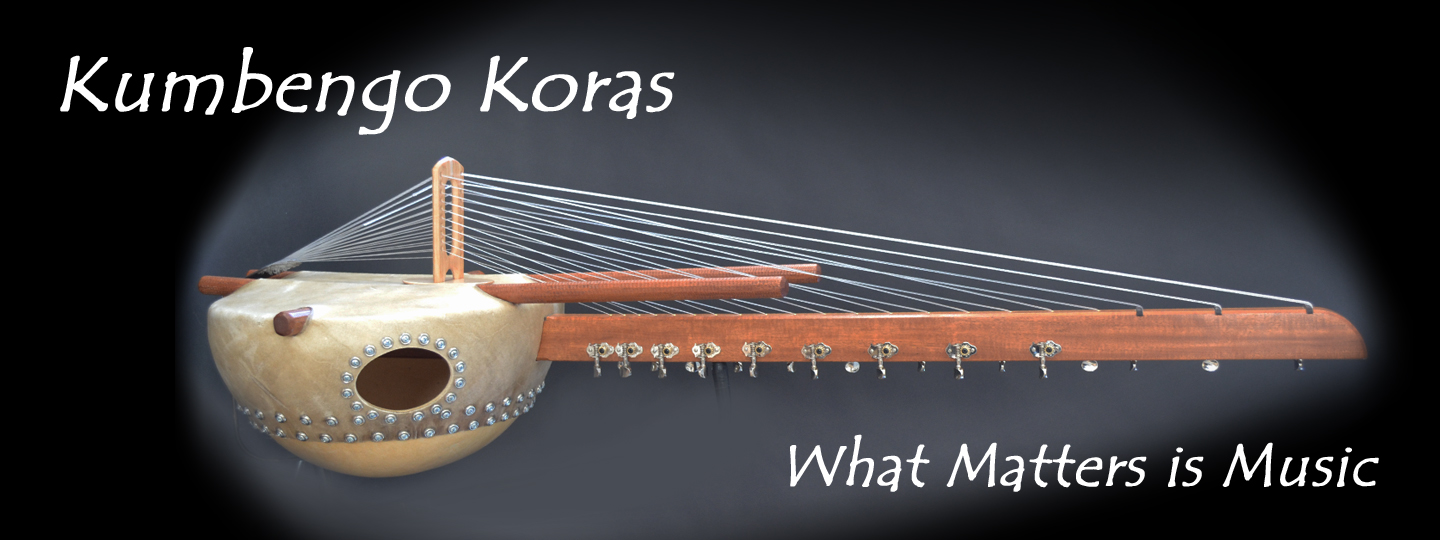
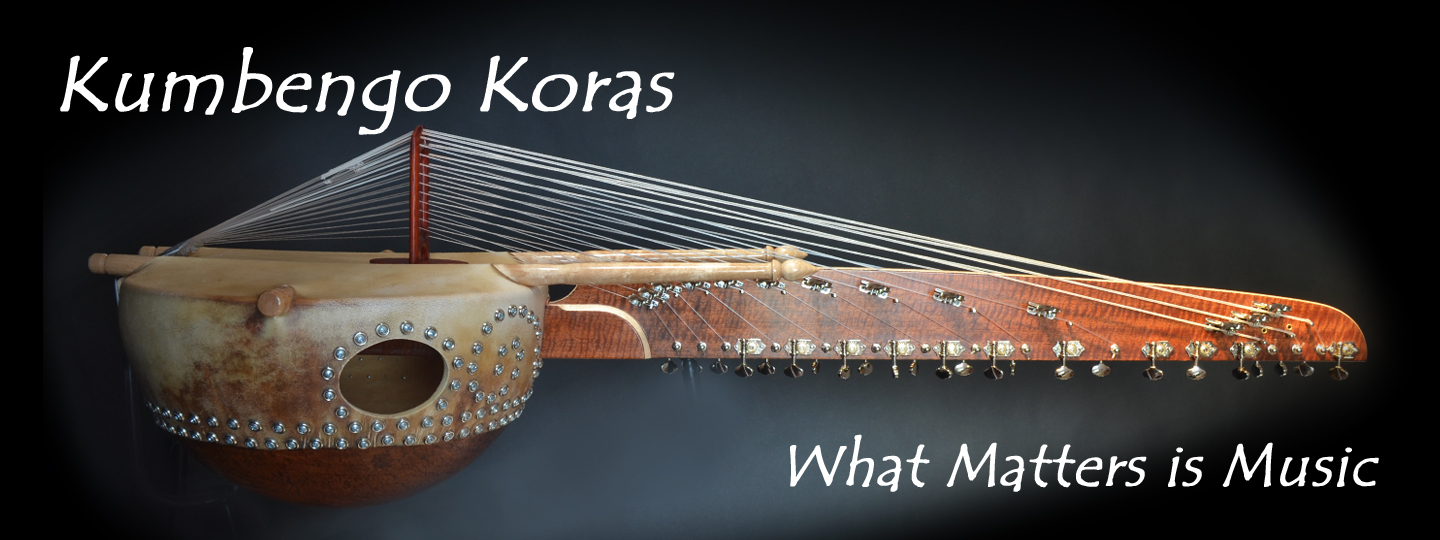
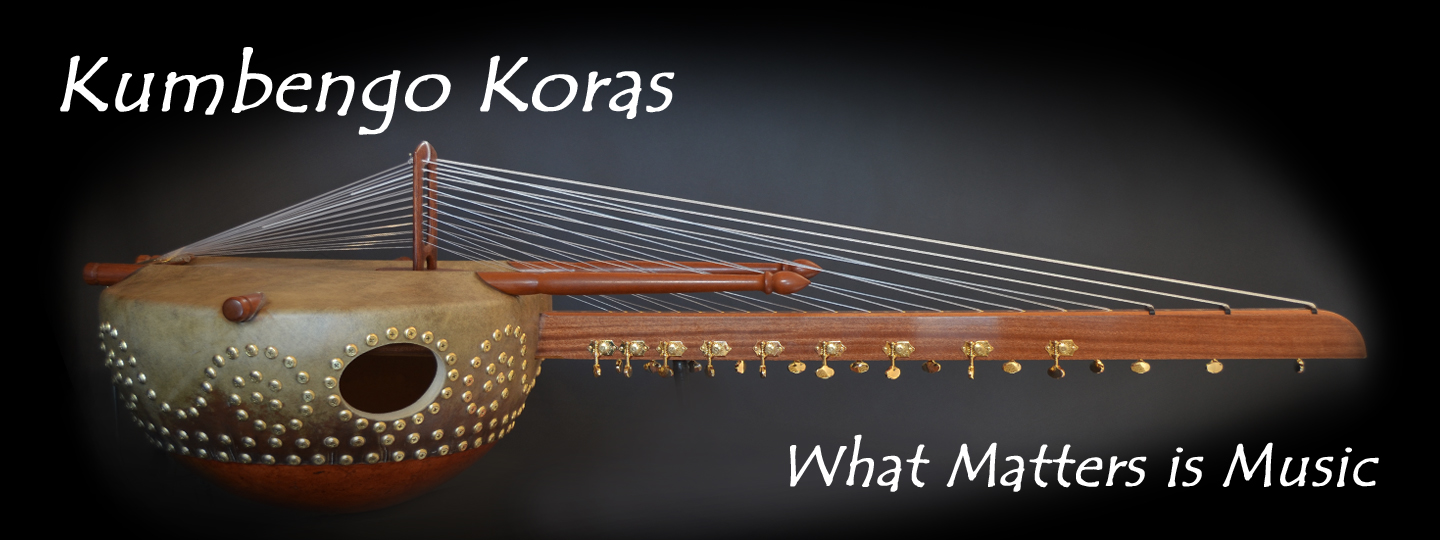
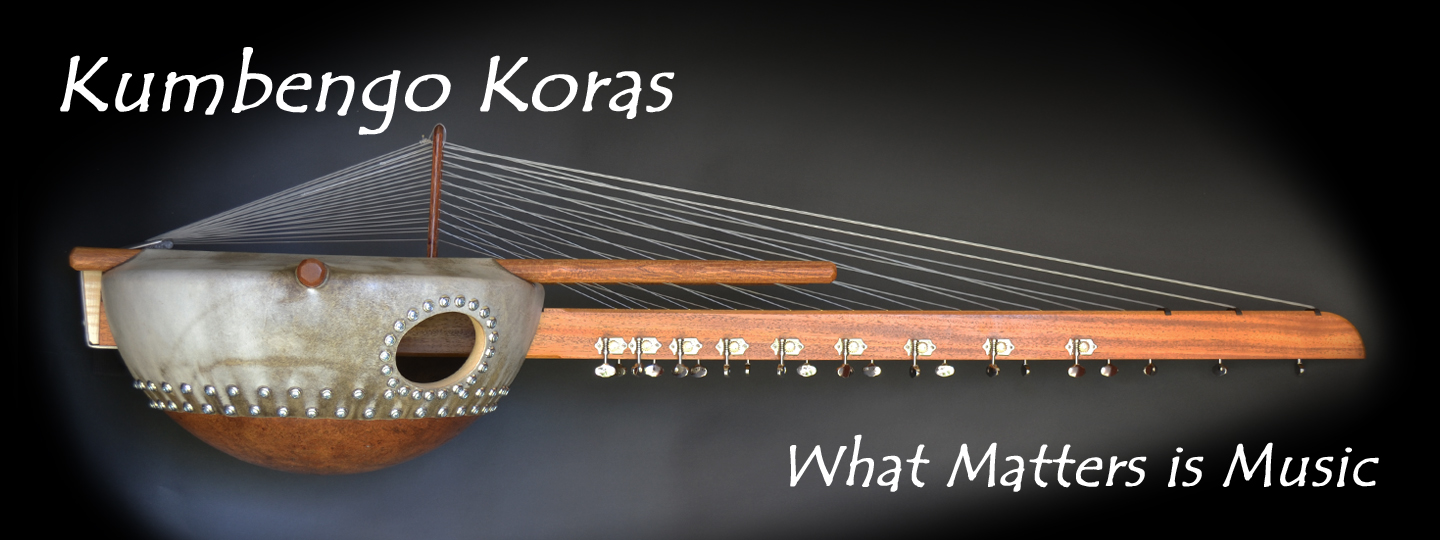
The highest quality instruments,
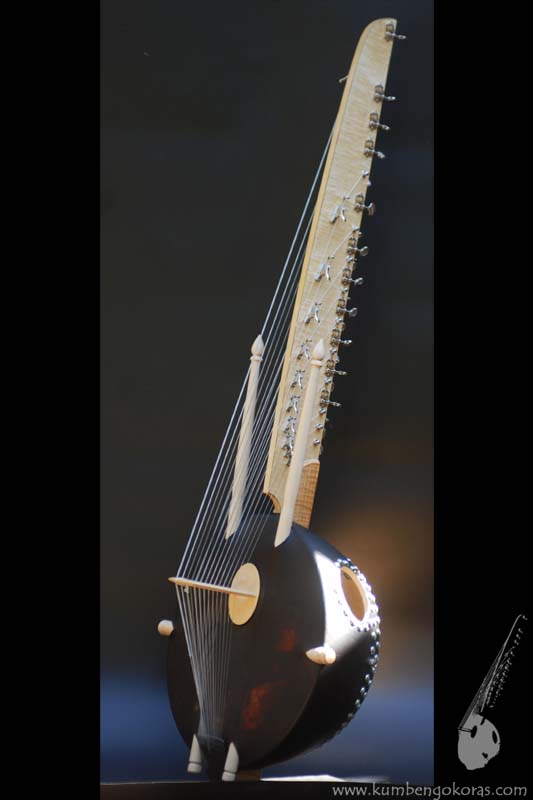
using carefully selected Materials
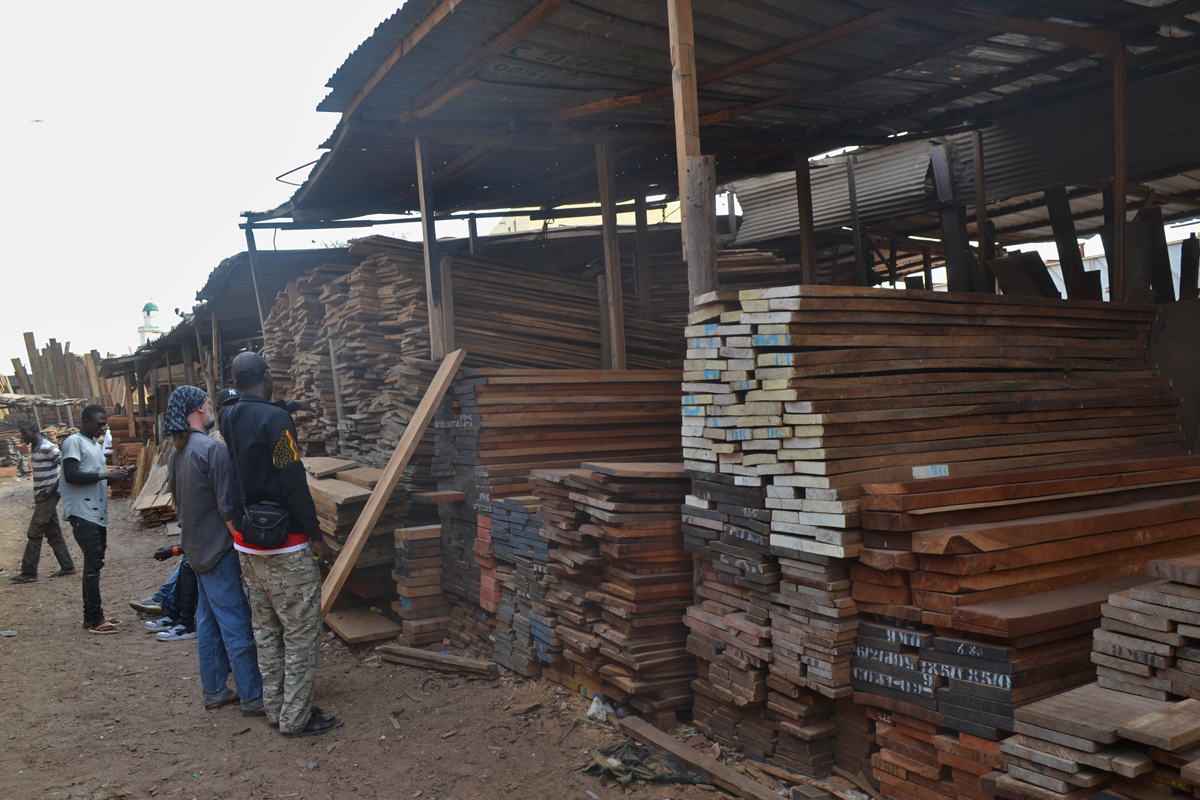
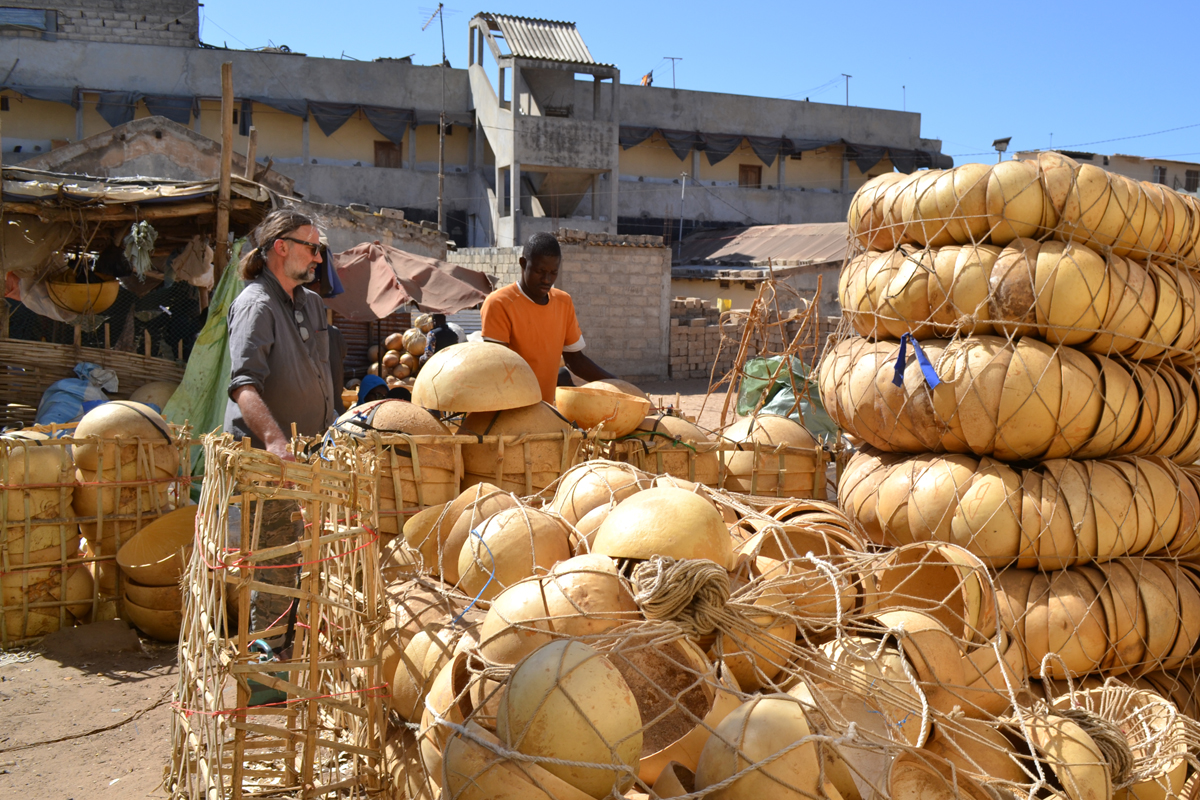
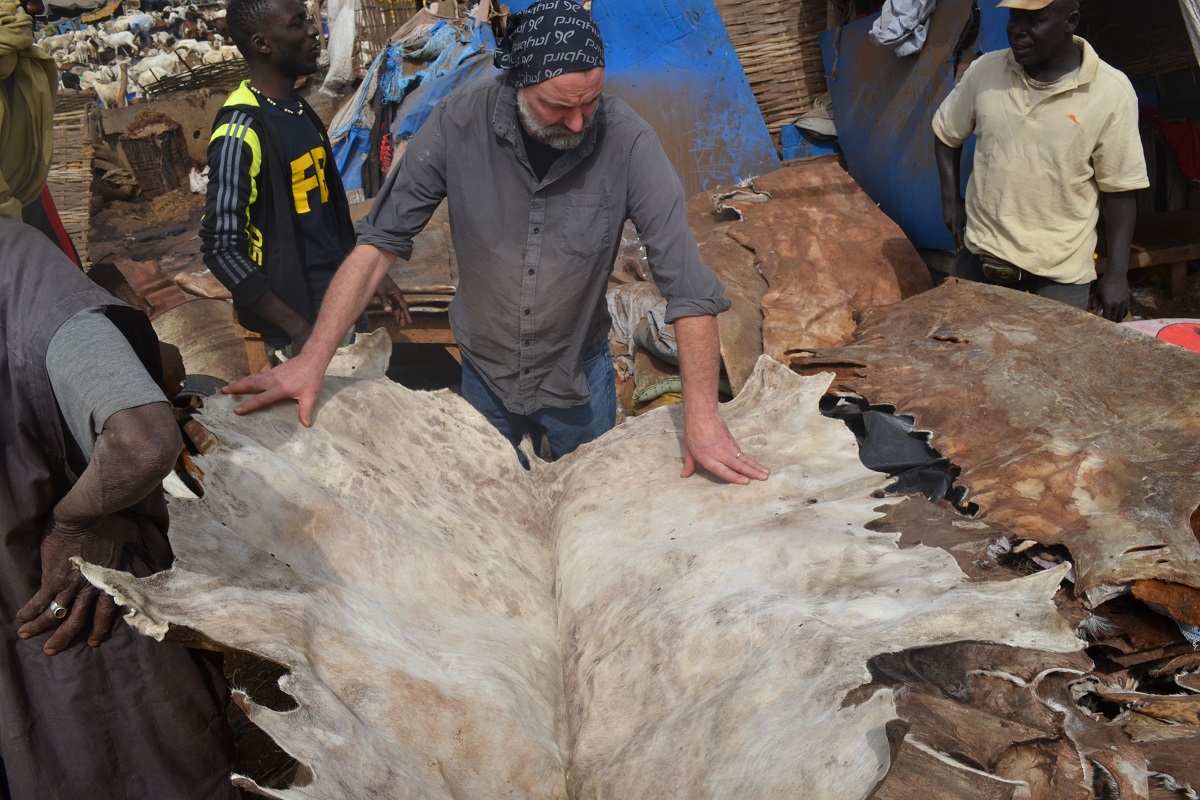
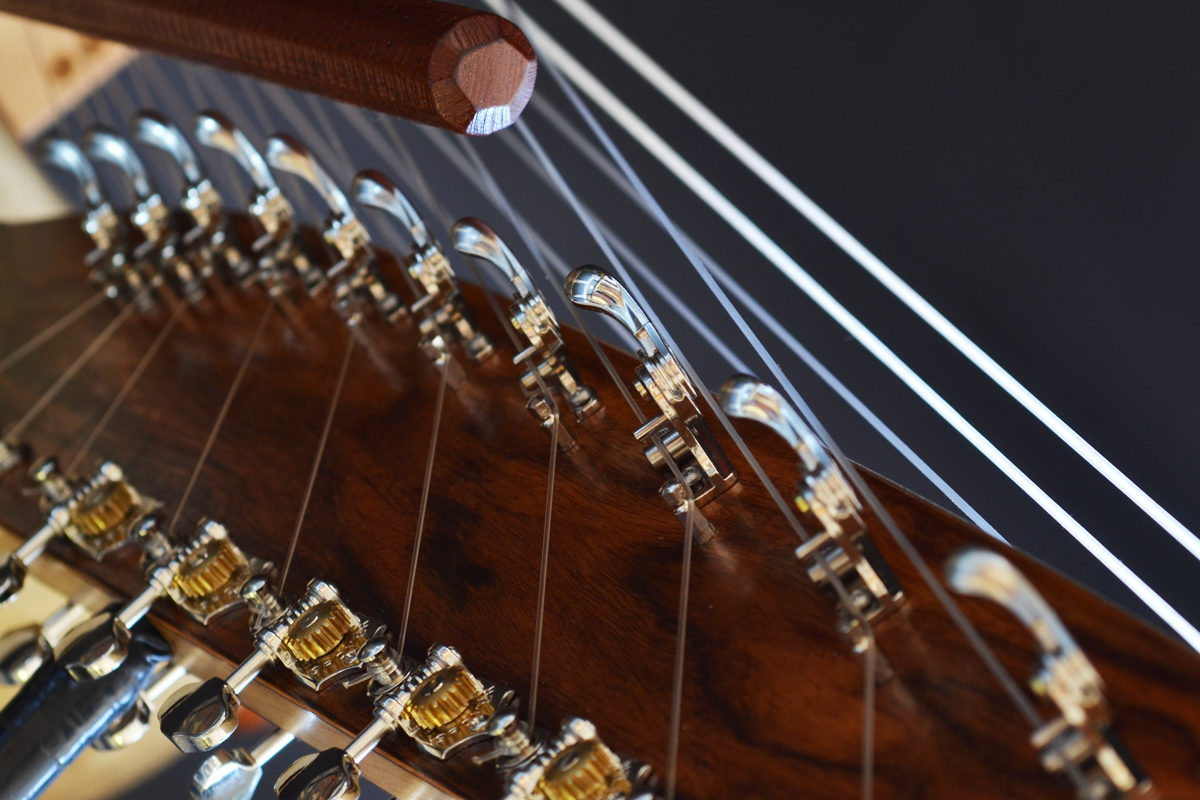
and Accessories.
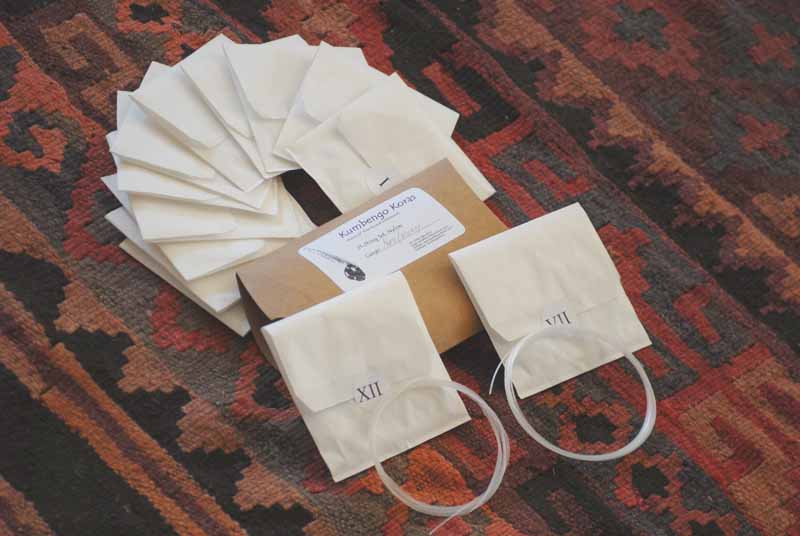
ENJOY!
The Great Master of the Kora, Toumani Diabate, performs on his Kumbengo Kora in a clip from the documentary film ‘The Voice of the Kora’ by Claudine Pommier